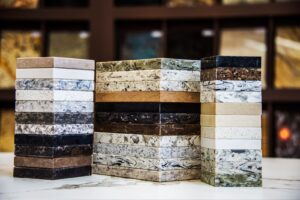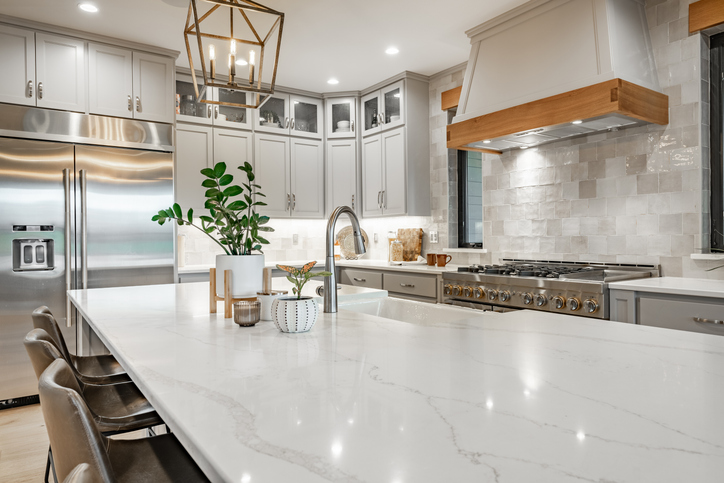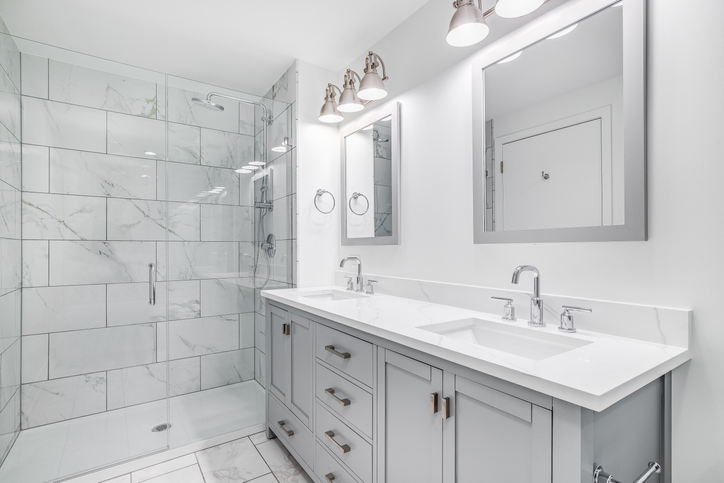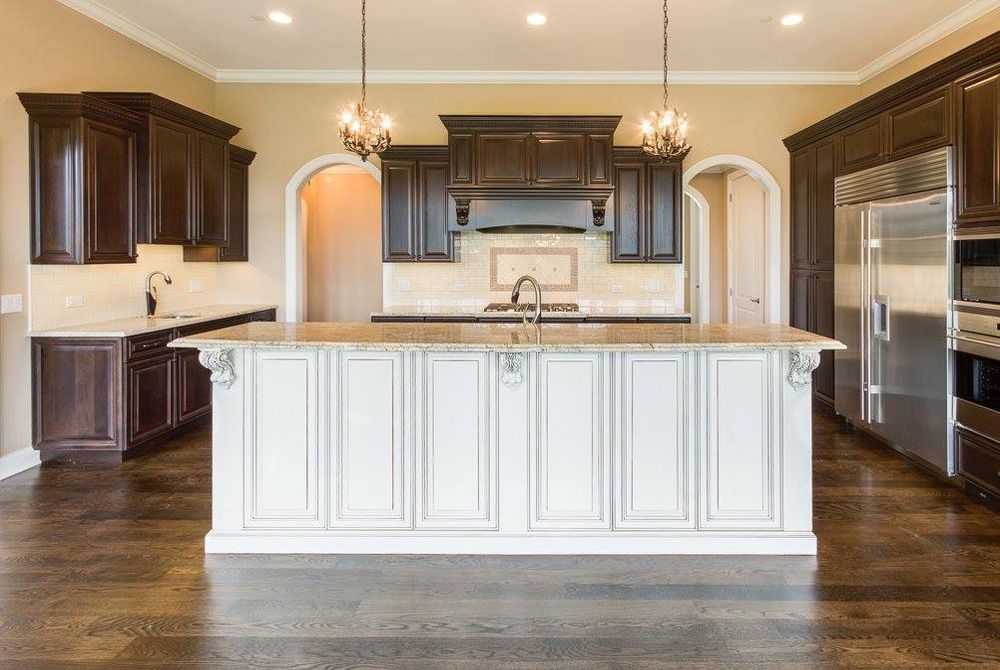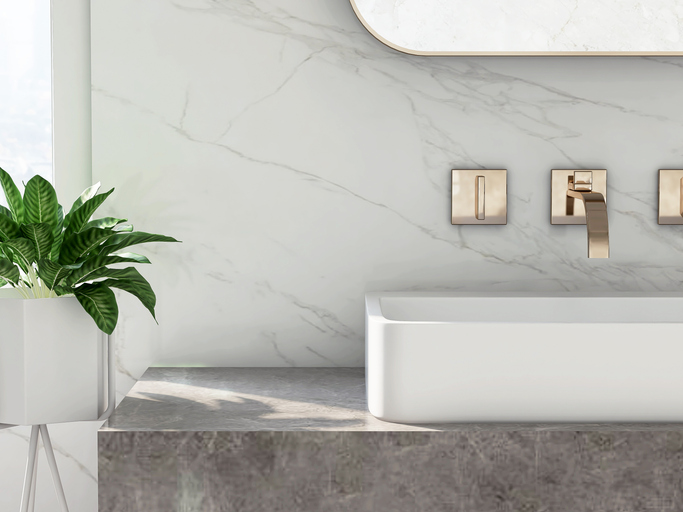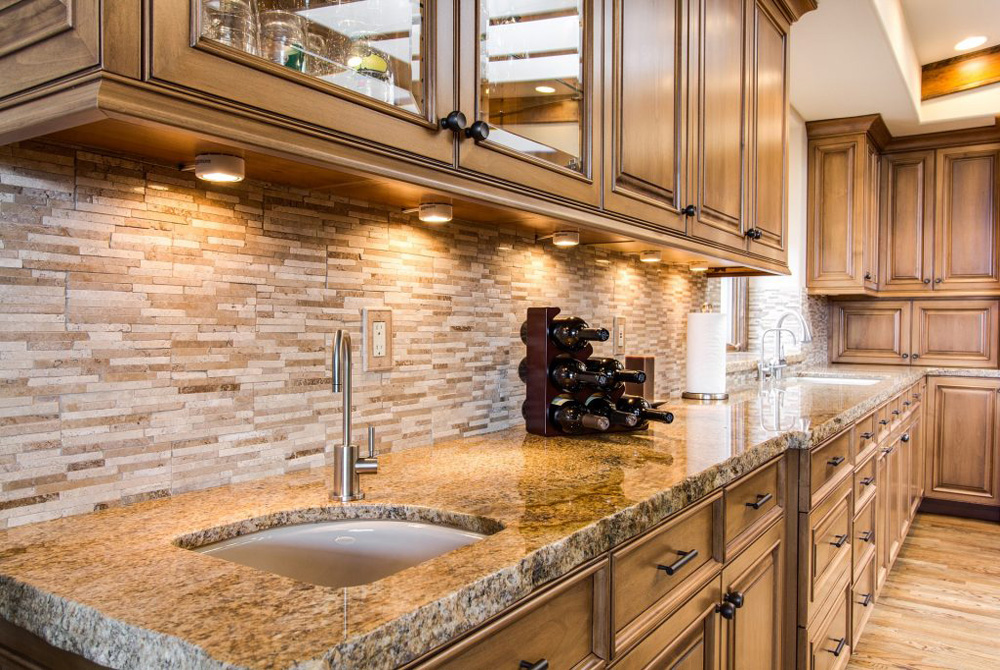
When most people think about natural stone, their minds go straight to the kitchen. Shiny granite countertops, elegant marble islands, and flawless quartz backsplashes have become staples in modern home design. But the truth is, natural stone’s beauty and functionality extend far beyond cooking spaces. Today’s homeowners and designers are finding new, creative ways to use stone throughout the entire home, transforming everyday rooms into spaces filled with texture, depth, and timeless style.
From coffee corners to laundry rooms, fireplace surrounds to home offices, natural stone adds permanence, luxury, and individuality wherever it is used. Each slab is one of a kind, created over centuries by nature, and that uniqueness brings character that manufactured materials can never quite replicate. Whether you prefer the soft, organic veining of marble or the durability of granite, there are endless possibilities for incorporating stone in fresh and unexpected ways.
The Evolution of Stone Design
In the past, stone was primarily valued for its durability. It was chosen for surfaces that had to withstand daily use, moisture, or heat. Kitchens, bathrooms, and entryways were the obvious choices. But as design trends have evolved, so has our appreciation for stone’s artistic and architectural potential.
Designers now view stone as a sculptural element, something that shapes light, adds texture, and creates visual rhythm. The rise of open-concept homes has also contributed to this shift. When you can see multiple rooms from one vantage point, repeating materials across spaces brings harmony and cohesion.
Homeowners are realizing that stone isn’t just a practical investment; it’s a creative one. It helps tell a story about the home and the people who live in it. And with so many varieties available today, from classic Carrara marble to richly veined quartzite, stone can suit any aesthetic, from modern minimalism to rustic farmhouse charm.
Coffee Corners and Breakfast Nooks
One of the most delightful trends in recent years is the rise of the dedicated coffee corner or breakfast nook. These small spaces offer a moment of calm and routine, and stone elevates them from purely functional to beautifully intentional.
Imagine a quartzite countertop paired with a soft marble backsplash where your espresso machine sits neatly under floating wood shelves. The light catches the subtle veining as you pour your morning cup, creating a sense of quiet luxury. Stone is ideal here not only because it is beautiful but because it stands up to spills, heat, and daily use.
If you prefer a cozy café vibe, darker stones like soapstone or black granite add a grounding contrast to light cabinetry. Their matte finishes create warmth and sophistication, especially when combined with brass accents or soft under-cabinet lighting.
The key to designing a beautiful coffee nook with stone is balance. The stone should complement other natural materials in the space, such as wood and metal, without overwhelming the small area. A stone ledge or backsplash might be all you need to create that refined yet approachable feel.
Laundry Rooms That Feel Like Luxury
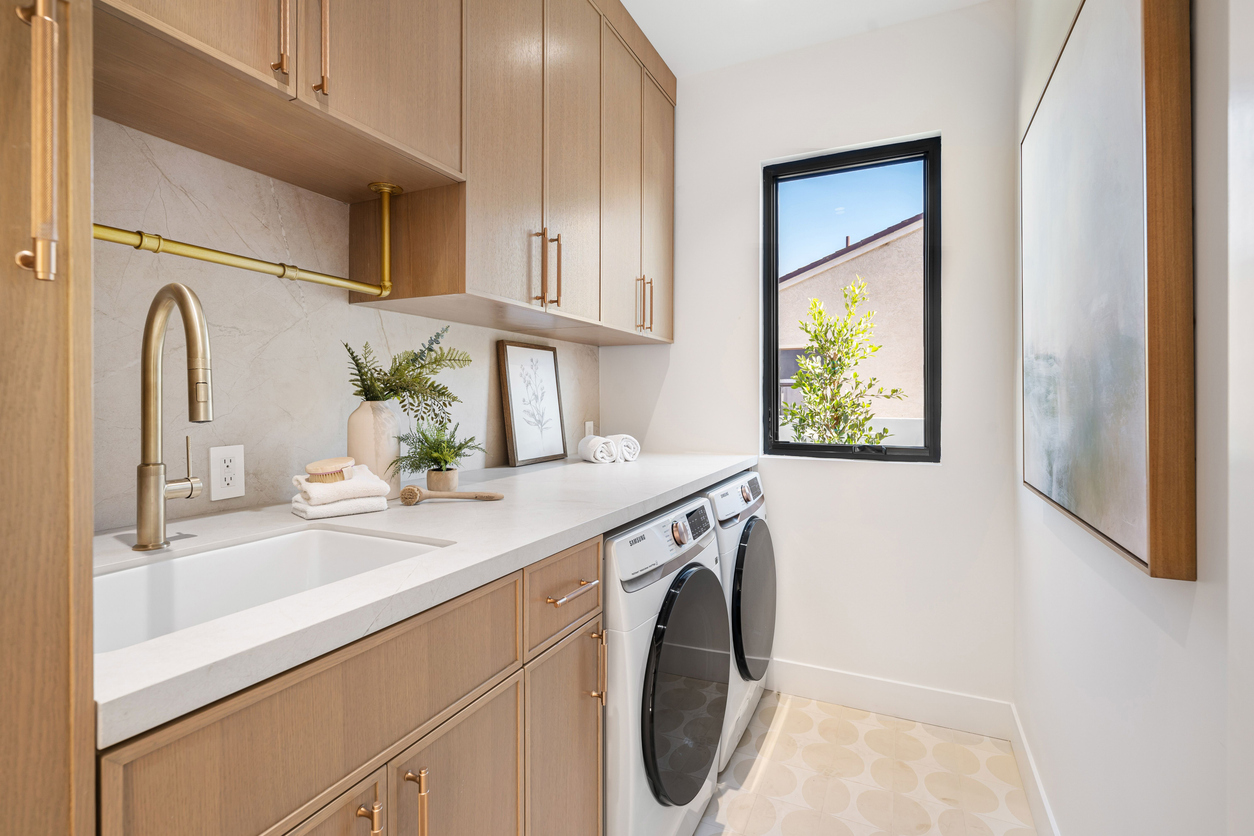
The laundry room has quietly become one of the most upgraded spaces in modern homes. What was once a purely utilitarian area is now designed with the same care as a kitchen. Stone plays a major role in this transformation.
A granite or quartz countertop offers a practical folding surface that won’t chip or stain. A backsplash made from marble remnants can protect the wall from water splashes while adding texture and style. Even a small touch of stone — such as a window sill, shelf, or sink surround — elevates the space.
Light-colored stones like white quartz or creamy travertine keep laundry rooms airy and bright. Paired with warm woods or brushed nickel hardware, they create a spa-like environment that feels calm and organized. For homeowners who prefer darker tones, charcoal granite or slate adds drama and hides dirt and lint easily.
Adding natural stone to a laundry room is about more than looks. It’s about making a daily chore feel less like work. Every time you fold towels on a smooth, cool stone surface, the experience feels intentional and even a little indulgent.
Fireplace Surrounds and Mantels
Fireplaces are natural focal points, and nothing enhances them quite like stone. It has been used around fire for thousands of years, not only for its durability but for its elemental connection. Fire and stone feel right together: one offering energy and the other stability.
A full-height marble fireplace surround makes a striking modern statement. The veining becomes art, a flowing pattern that draws the eye upward and anchors the entire room. For more rustic spaces, stacked stone or split-face granite adds texture and warmth. Limestone and travertine, with their soft tones, bring old-world charm to traditional homes.
Stone mantels are another beautiful option. A solid piece of granite or limestone offers a sculptural quality that can balance a sleek firebox or frame a more traditional hearth. Whether you prefer minimalist lines or carved details, stone provides a foundation that feels timeless and permanent.
Entryways and Mudrooms
Your entryway is the first and last impression guests have of your home. It should be both welcoming and practical – a place that can handle traffic, moisture, and everyday messes while still looking refined. Stone excels here.
Slate, travertine, and textured granite are top choices for mudroom and entryway floors. Their natural variation helps conceal dirt, and their durability ensures they will last for decades. For even greater impact, consider using large-format tiles or a patterned layout, such as herringbone or basketweave.
Stone also works beautifully as a built-in surface. A quartz-topped bench, for example, offers a durable place to sit or drop your bag. Add a stone-topped console near the door for keys, plants, or decorative accents. When repeated in subtle ways, stone in entryways ties together the entire home’s material palette.
Home Offices and Workspaces
The home office has evolved into one of the most personal spaces in the house. It is where ideas form, work gets done, and creativity thrives. Stone can enhance this space by bringing a sense of calm and permanence.
A stone desktop offers a cool, smooth surface that feels solid beneath your hands. Materials like honed marble, soapstone, or leathered granite add tactile comfort. These stones resist scratches and can handle daily wear, from laptops to coffee mugs.
You might also consider using stone vertically as a backdrop for shelving, a small accent wall, or even window ledges that frame the view. In creative studios, a quartz worktable offers both beauty and functionality, resisting stains from paint or ink while adding sophistication.
By integrating stone into a workspace, you create an environment that feels grounded and intentional — the kind of place that fosters focus and inspiration.
Outdoor Kitchens and Living Areas
Few materials are as naturally suited for outdoor use as stone. It withstands temperature swings, resists moisture, and complements the natural environment. As outdoor kitchens and entertaining areas continue to grow in popularity, stone has become a defining feature.
Granite and quartzite are excellent choices for outdoor countertops because they are dense and UV-resistant. They maintain their color and polish even in direct sunlight. Pair them with stainless steel appliances and natural wood cabinetry for a high-end resort feel.
For patios and walkways, flagstone and travertine pavers create a seamless transition between the home and garden. Their textures provide grip while adding an organic, lived-in charm. A stone fire pit or outdoor bar can turn any backyard into an inviting gathering place.
The beauty of using stone outdoors lies in its ability to age gracefully. Over time, weather and sunlight enhance its character, creating a patina that feels authentic and enduring.
Staircases and Accent Walls
Staircases often go unnoticed, yet they offer incredible design potential. Using natural stone on steps or surrounding walls instantly elevates their presence.
Stone treads paired with sleek metal railings make a contemporary architectural statement. For something more classic, limestone or marble risers introduce elegance and reflect light beautifully. The combination of stone with other materials like glass or wood creates dynamic contrasts that feel fresh and refined.
Accent walls are another excellent opportunity. A slate or quartzite wall in a stairwell or hallway introduces texture and visual depth. The interplay of shadows throughout the day brings the wall to life, making it both tactile and sculptural.
These vertical applications of stone highlight its versatility. It doesn’t just belong underfoot or on a counter — it can climb walls, frame views, and define transitions in the home.
Bedrooms and Private Retreats
Natural stone might not be the first material you associate with a bedroom, but when used thoughtfully, it can transform the atmosphere. A stone-clad feature wall behind the bed creates a spa-like calm, especially when paired with soft linens and warm lighting.
In master suites, extending stone from the bathroom into the bedroom connects the two spaces visually. For example, if your bathroom vanity is topped with marble, consider using the same stone for a small makeup table, nightstand top, or window ledge in the adjoining room. This repetition creates a sense of flow and quiet luxury.
Even small touches, like stone candle holders or bedside trays, can bring texture and cohesion to the space without overwhelming it.
Creative Uses and Small Details
Sometimes it’s the little things that make a big impact. Stone remnants from other projects can be repurposed in clever ways: floating shelves, window sills, serving boards, or even decorative thresholds. These small applications tie together different areas of the home and reduce material waste.
Designers often speak about creating “material stories,” where a few chosen elements repeat in subtle ways to unify a design. When stone appears in multiple rooms, maybe a granite entryway, a marble bathroom ledge, and a quartz coffee nook, it creates harmony and continuity.
Because every stone slab is unique, no two homes will ever look the same. That individuality gives your space authenticity and personality.
Design Harmony and the Power of Stone
Stone is not just a surface. It is an experience of touch, light, and time. It grounds a room, connects us to the earth, and introduces an artistry that only nature can produce. When used thoughtfully beyond the kitchen, it unifies the home, creating rhythm and flow that synthetic materials can’t achieve.
The secret lies in balance. Stone can make a statement, but it can also act as a quiet backdrop that lets other materials shine. Whether polished or honed, light or dark, subtle or bold, it adds a sense of permanence that anchors your design.
Using natural stone in unconventional ways — from staircases to laundry rooms, from mudrooms to home offices — is more than a trend. It is a reflection of how we live today: intentionally, creatively, and with appreciation for materials that last a lifetime.
Final Thoughts
Natural stone is as versatile as it is beautiful. It brings character, history, and elegance to any room, not just the kitchen or bath. Its enduring nature means that every piece you choose becomes part of your home’s story, one that will continue to unfold over time.
By thinking beyond traditional uses, you can create spaces that feel cohesive, luxurious, and deeply personal. Every slab tells its own story and when those stories connect across your home, the result is a space that feels timeless, harmonious, and entirely your own.